Understanding Trash Cans: Types, Materials, and Best Practices for Waste Management
I. Introduction
A. Importance of Waste Management
Effective waste management is crucial in every aspect of our lives, from homes to businesses, and especially in industrial environments. Waste management ensures that waste is disposed of efficiently, reduces the risk of contamination, prevents environmental harm, and maintains cleanliness. The role of trash cans is fundamental in these processes. Trash cans, often considered simple and functional, actually serve as one of the primary components of a waste management system. From small office spaces to large manufacturing plants, choosing the right trash can is integral to maintaining organized, hygienic, and sustainable waste disposal systems.
With the rising emphasis on sustainability and environmental responsibility, understanding how different types of trash cans serve various industries and households is more important than ever. Whether you're looking to comply with local environmental regulations or improve your organization's efficiency in managing waste, understanding trash can solutions can make a significant difference.
B. Overview of Trash Can Solutions
Trash cans, while seemingly basic, come in a wide range of options tailored to meet the needs of different environments. From small plastic bins for everyday household use to large industrial containers that handle vast quantities of waste, the choice of trash can depends on several factors: waste type, volume, material, and specific usage requirements.
In this article, we will explore the various types of trash cans available, the materials they are made from, and best practices for waste management. This comprehensive guide aims to help businesses and individuals make informed decisions about trash can solutions, contributing to cleaner, safer, and more efficient waste management practices.
II. Types of Trash Cans
Choosing the right trash can is essential for efficient waste management. Different environments require different types of trash cans, each designed for specific waste handling needs. In this section, we will explore the main categories of trash cans used in both commercial and industrial settings, along with their unique features and functionalities.
A. Residential Trash Cans
1. Function
Residential trash cans are the most commonly used waste containers in homes, apartments, and small residential communities. They are designed to handle household waste, including food scraps, paper products, and other non-hazardous items.
2. Design and Features
Capacity: Residential trash cans typically have a capacity ranging from 10 to 30 gallons, ideal for moderate waste generation in homes.
Materials: Most residential trash cans are made from plastic, as it is lightweight, durable, and relatively inexpensive. However, some higher-end models may use stainless steel for aesthetic appeal and enhanced durability.
Lid Type: These cans usually come with swing lids, dome lids, or foot pedal-operated lids, which provide convenient access to dispose of waste while controlling odors.
3. Advantages and Applications
Ease of Use: These trash cans are simple to operate and maintain, with features such as easy-to-carry handles and lids that minimize exposure to waste.
Versatility: Suitable for general household use, these bins can also serve as recycling bins when color-coded appropriately.
B. Commercial Trash Cans
1. Function
Commercial trash cans are used in office spaces, retail businesses, hotels, schools, and hospitals. They are designed to handle moderate volumes of waste generated in public or semi-public spaces. These bins must be durable, odor-resistant, and convenient for employees and customers to use.
2. Design and Features
Capacity: Commercial trash cans typically range from 30 to 50 gallons, with a larger capacity than residential bins to accommodate the higher volume of waste.
Materials: These bins are often made from high-density polyethylene (HDPE), which provides durability and resistance to corrosion, or stainless steel, which is easy to clean and more aesthetically pleasing in professional environments.
Lid Types: Many commercial trash cans feature hands-free lids, such as foot pedal lids or sensor-activated lids to prevent cross-contamination and minimize exposure to waste.
3. Advantages and Applications
Hygiene: Many commercial trash cans are designed for environments where cleanliness and hygiene are paramount, such as food service businesses or healthcare settings.
Durability: They are designed to withstand the daily wear and tear of high-traffic spaces.
C. Industrial Trash Cans
1. Function
Industrial trash cans are used in factories, warehouses, construction sites, and other heavy-duty settings where large volumes of waste are generated. These bins are designed to handle heavy-duty waste such as broken machinery parts, metal scraps, or even hazardous materials (with proper labeling and care).
2. Design and Features
Capacity: Industrial trash cans can hold 50 gallons or more, with some containers designed to hold up to 100 gallons or more, making them suitable for handling large volumes of waste.
Materials: Made from heavy-duty plastic, steel, or stainless steel, industrial trash cans are reinforced to withstand rough handling and heavy usage.
Wheels: Most industrial trash cans come equipped with heavy-duty wheels for easy mobility, which is essential when dealing with large amounts of waste across expansive facilities.
3. Advantages and Applications
Strength and Durability: Designed to handle tough conditions, these trash cans are ideal for high-impact environments like manufacturing plants or construction zones.
High Waste Volume: Perfect for businesses that produce high volumes of waste daily, these bins ensure efficiency and reduce the frequency of waste removal.
D. Specialized Trash Cans
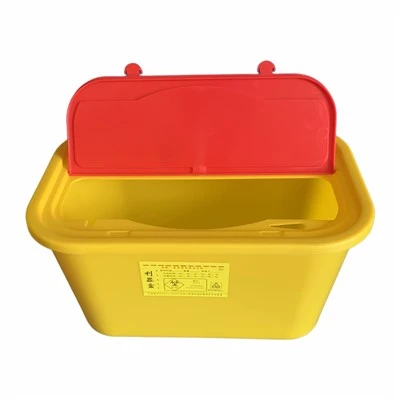
1. Medical Waste Containers
Function: Used in healthcare settings such as hospitals and clinics, these containers safely dispose of hazardous waste, including syringes, needles, and other medical equipment.
Design and Features: These bins are puncture-resistant and often color-coded (e.g., yellow for medical waste). They may feature lockable lids to prevent unauthorized access.
Material: Plastic or steel containers designed for sharp and potentially biohazardous materials.
2. Recycling and Composting Bins
Function: Used for separating recyclable or compostable materials from regular waste. These bins play a key role in reducing waste sent to landfills and encouraging sustainability.
Design and Features: Often color-coded to indicate the type of waste (e.g., blue for recyclables, green for compostables), with clear labeling and separate compartments for different materials.
III. Materials Used in Trash Can Manufacturing
The material used in the construction of a trash can is critical in determining its durability, functionality, and suitability for specific waste types. Below are some of the most commonly used materials in trash can manufacturing.
A. Plastic Trash Cans
1. Advantages
Lightweight: Easy to move and handle, ideal for residential and commercial spaces where mobility is essential.
Resistant to Corrosion: Unlike metal, plastic does not rust, making it a good choice for areas exposed to moisture or chemicals.
Affordability: Plastic trash cans are generally more cost-effective compared to metal or steel alternatives.
2. Disadvantages
Less Durable: Plastic trash cans can crack or break under heavy impact, making them less suitable for industrial environments where heavy-duty use is common.
B. Metal Trash Cans
1. Advantages
Durability: Metal trash cans, particularly those made from stainless steel, offer superior strength and resistance to physical damage.
Chemical Resistance: Suitable for industrial settings where waste may include chemicals or corrosive substances.
Aesthetic Appeal: Stainless steel cans are often used in commercial spaces for their sleek and professional appearance.
2. Disadvantages
Weight: Metal cans are heavier than plastic, making them more challenging to move.
Rusting: If not properly treated or maintained, metal trash cans can rust over time.
C. Steel Trash Cans
1. Advantages
Heavy Duty: Steel cans are the toughest option available, capable of handling large volumes of waste in industrial and commercial settings.
Corrosion-Resistant: Many steel trash cans are coated to prevent rust and corrosion, making them ideal for harsh environments.
2. Disadvantages
Weight and Cost: Steel cans are typically heavier and more expensive than plastic bins.
D. Sustainable Materials for Trash Cans
1. Recycled Plastic
Advantages: Eco-friendly, as it reduces the demand for new plastic production and keeps waste plastic out of landfills.
2. Biodegradable Materials
Applications: Used in composting bins that break down organic waste, minimizing environmental impact and contributing to the circular economy.
IV. Best Practices for Using and Maintaining Trash Cans
Proper usage and maintenance of trash cans are essential to maximize their efficiency and lifespan. Below are key practices to ensure that trash cans remain functional and effective for waste management.
A. Proper Placement and Utilization
Residential Spaces: Trash cans should be placed in convenient locations, such as the kitchen, bathroom, and garage, to ensure easy access for residents.
Commercial Spaces: For businesses, trash cans should be placed near high-waste areas like kitchens, restrooms, and common areas to encourage proper disposal.
Industrial Spaces: In industrial settings, trash cans should be positioned near production lines or waste-heavy zones to reduce unnecessary movement and prevent waste from accumulating in the wrong areas.
B. Regular Maintenance
Emptying Trash Cans: Trash cans should be emptied regularly to avoid overflows and odor buildup, especially in high-traffic areas.
Cleaning: Regular cleaning prevents the buildup of bacteria and odors, and keeps trash cans in good condition.
Inspection: Check for cracks, holes, or broken wheels to ensure the trash can remains functional.
C. Waste Sorting and Recycling
Segregating Waste: Labeling trash cans for specific types of waste (e.g., recyclables, compostables, non-recyclables) helps promote sustainable practices.
Compliance with Regulations: Following local regulations for recycling and waste disposal ensures businesses meet legal requirements and promote environmental sustainability.
V. Conclusion
Trash cans are fundamental tools in waste management, serving a critical role in residential, commercial, and industrial environments. By understanding the different types of trash cans, the materials they are made from, and the best practices for their use, businesses and individuals can significantly improve their waste disposal systems.
Choosing the right trash can is essential for improving operational efficiency, maintaining cleanliness, and ensuring that waste is disposed of properly and sustainably. By following best practices in placement, maintenance, and waste segregation, organizations can reduce environmental impact, increase recycling efforts, and ensure compliance with regulations.
With the growing importance of sustainability, investing in high-quality trash cans made from durable, recyclable, or biodegradable materials is a key step toward creating a cleaner, safer, and more sustainable environment.